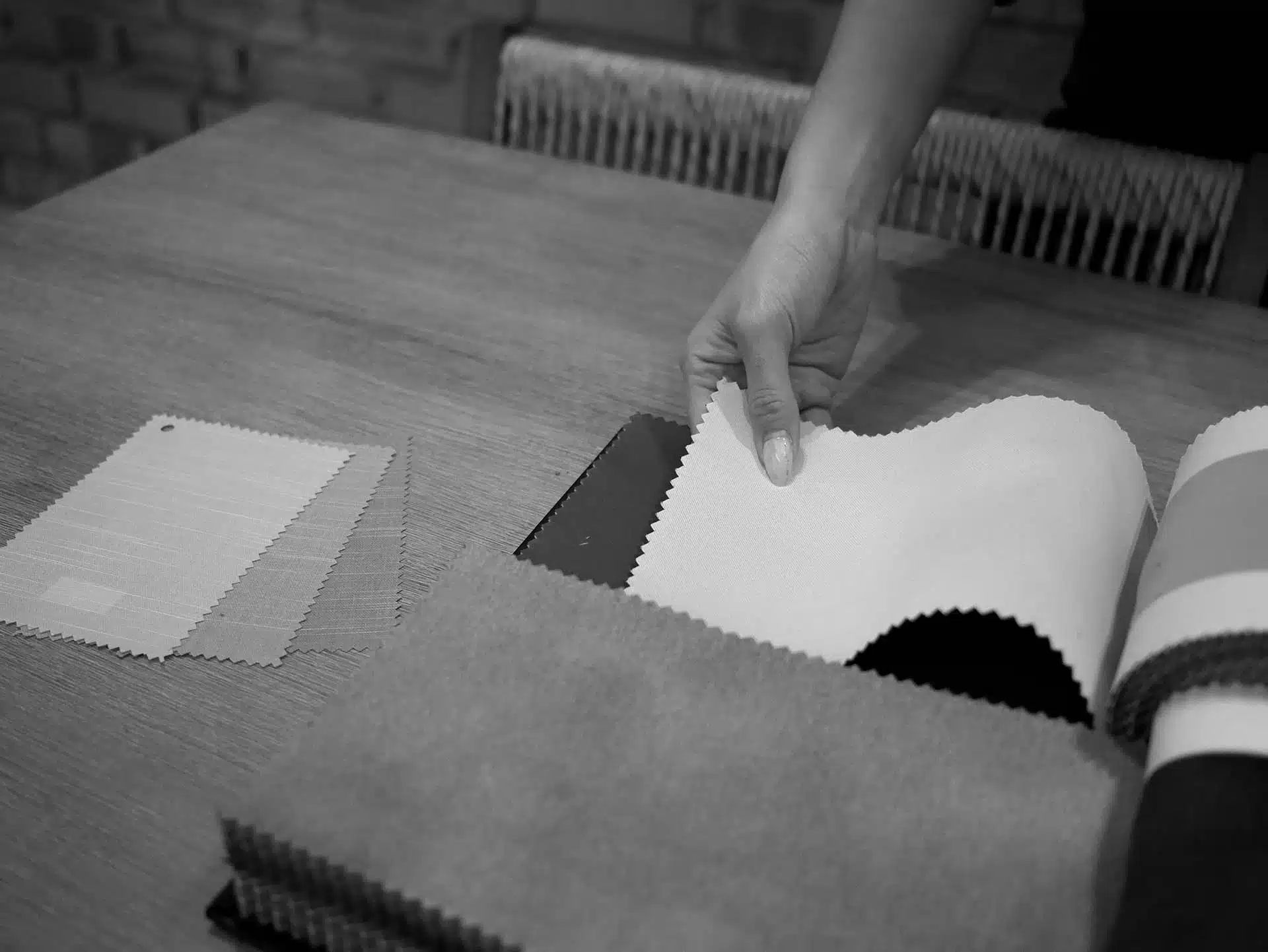
In Singapore's design landscape, a familiar template has taken root: the clean lines of white walls, pale floors, and minimalist fixtures. Often inspired by Scandinavian aesthetics, this approach prioritizes brightness and simplicity. However, in its pursuit of visual calm, these spaces can sometimes feel a touch understated, lacking layers of depth or personal expression. While functionality is certainly achieved, the opportunity to infuse these environments with a deeper sense of warmth or curated detail often goes unexplored.
When every other surface recedes into minimalism, the curtains and blinds at your windows suddenly shoulders a significant amount of design responsibility.
This isn't an argument for embracing dramatic prints or vibrant hues. Rather, it's about recognizing that in a streamlined space, the curtain fabric becomes one of the last, most significant levers for introducing texture, tone, and a sense of design.
The Power of Subtle Texture in Sheers
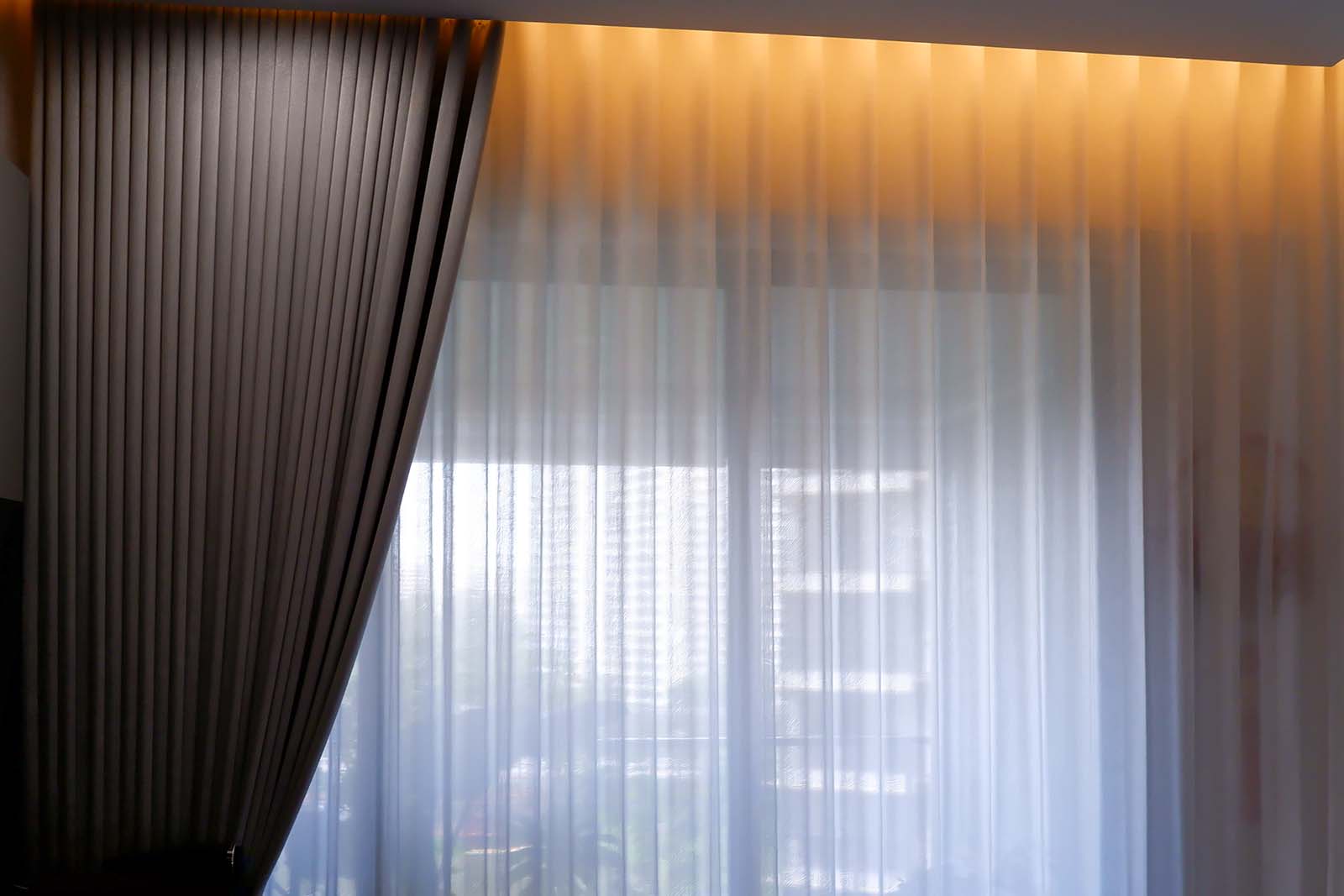
Consider the common impulse to simply match white walls with plain white sheers. While seemingly harmonious, this often contributes to the very lightness you might be trying to balance. Instead, imagine the quiet sophistication a sheer with a subtle linen-look texturebrings. The slight variations in the weave catch the light differently, offering a tactile quality that plain white simply cannot. It's a texture that enriches the visual field without demanding attention, providing a softness that complements the clean lines of a minimalist backdrop.
The Visual Rhythm of Patterns
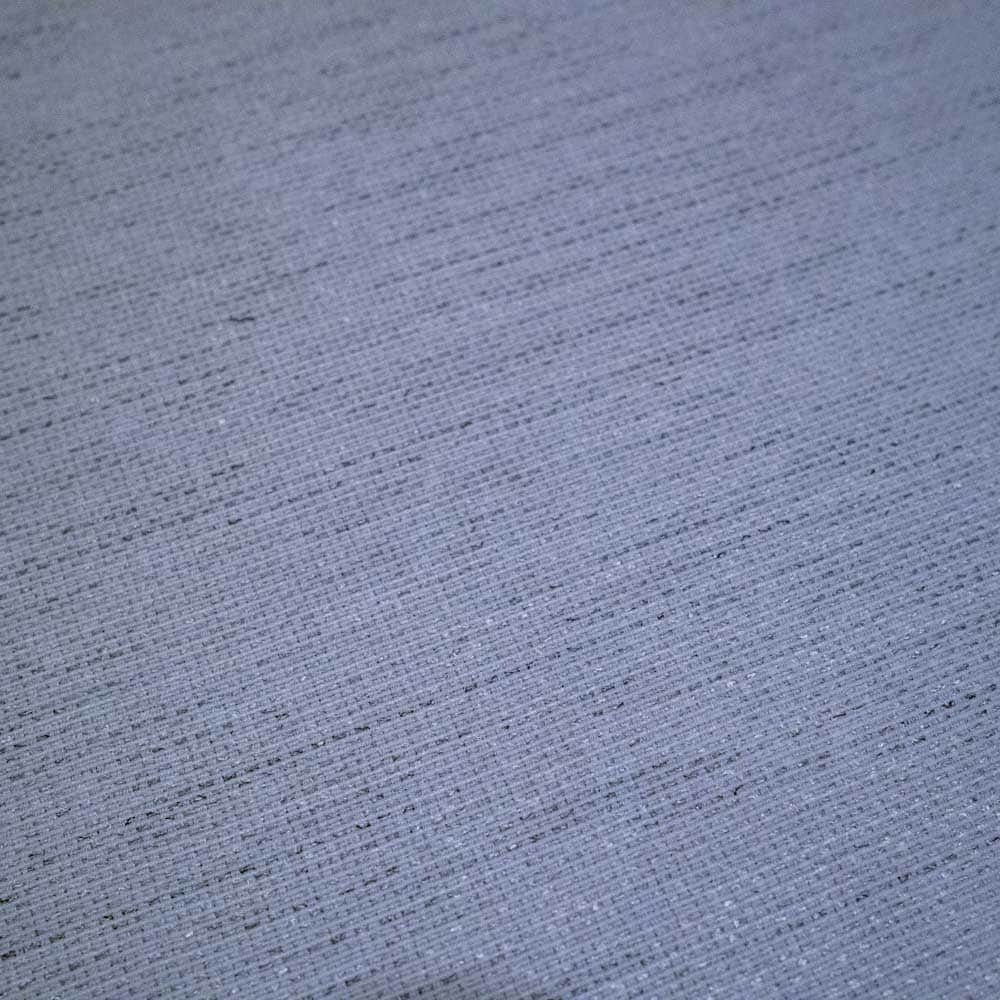
Similarly, the notion that patterns clash with a simplified aesthetic is a misconception. A geometric micro-pattern, used subtly in a minimalist living room, can introduce a visual rhythm to otherwise uniform surfaces. We once worked with a client who initially preferred no pattern, believing it would disrupt the serene quality of their all-white living area. We suggested a tone-on-tone basketweave with a fine, almost imperceptible geometric repeat. The result was transformative: the pattern wasn't loud, but it provided an underlying structure - something that broke the uniformity, making it feel more intentionally designed.
Blackouts: Adding Depth and Enclosure
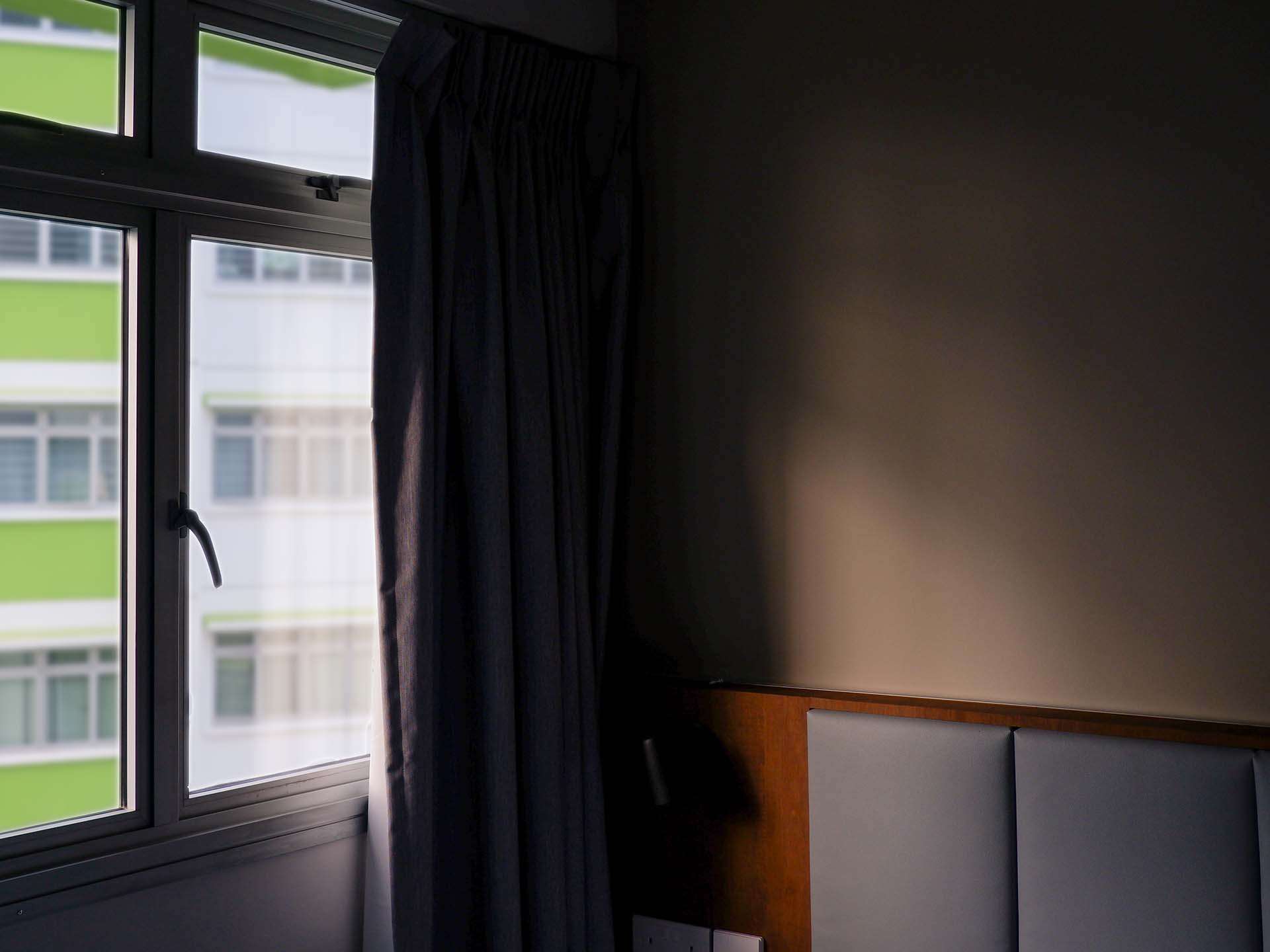
Then there's the often-overlooked potential of blackout fabrics. Beyond their functional role in light control, their inherent weight and drape can add significant gravity to a room. Opting for a blackout in a muted charcoal or deep forest green- tones that draw the eye without overwhelming the space - can infuse a space with surprising depth. They absorb sound, create a sense of enclosure, and their subdued hues can anchor the white walls, preventing the room from feeling too stark or purely utilitarian. We saw this firsthand in a bedroom where the client had aimed for a tranquil atmosphere but felt the space lacked definition despite luxurious bedding. Introducing a full-length, deep charcoal blackout curtain added an immediate sense of quietude and coziness, completing the room in a way that paint or furniture alone couldn't.
Ultimately, in an interior where the primary surfaces are intentionally understated, the choice of curtain fabric becomes a foundational decision. It's one of the few opportunities to add depth and character to spaces. The right fabric can be the subtle, yet powerful, solution to an unfinished feeling in interiors that, on paper, should be complete.