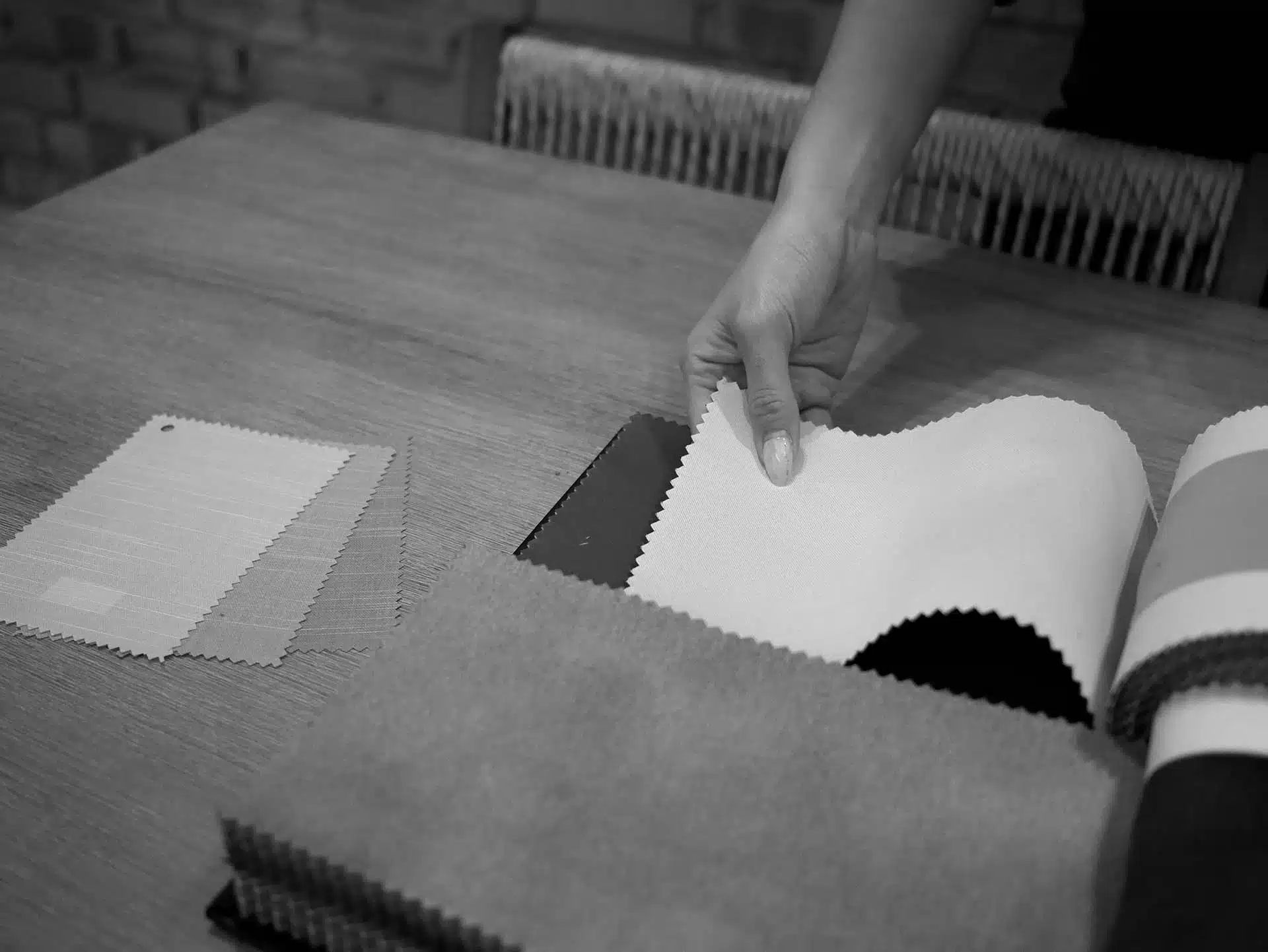
Day and Night Curtains
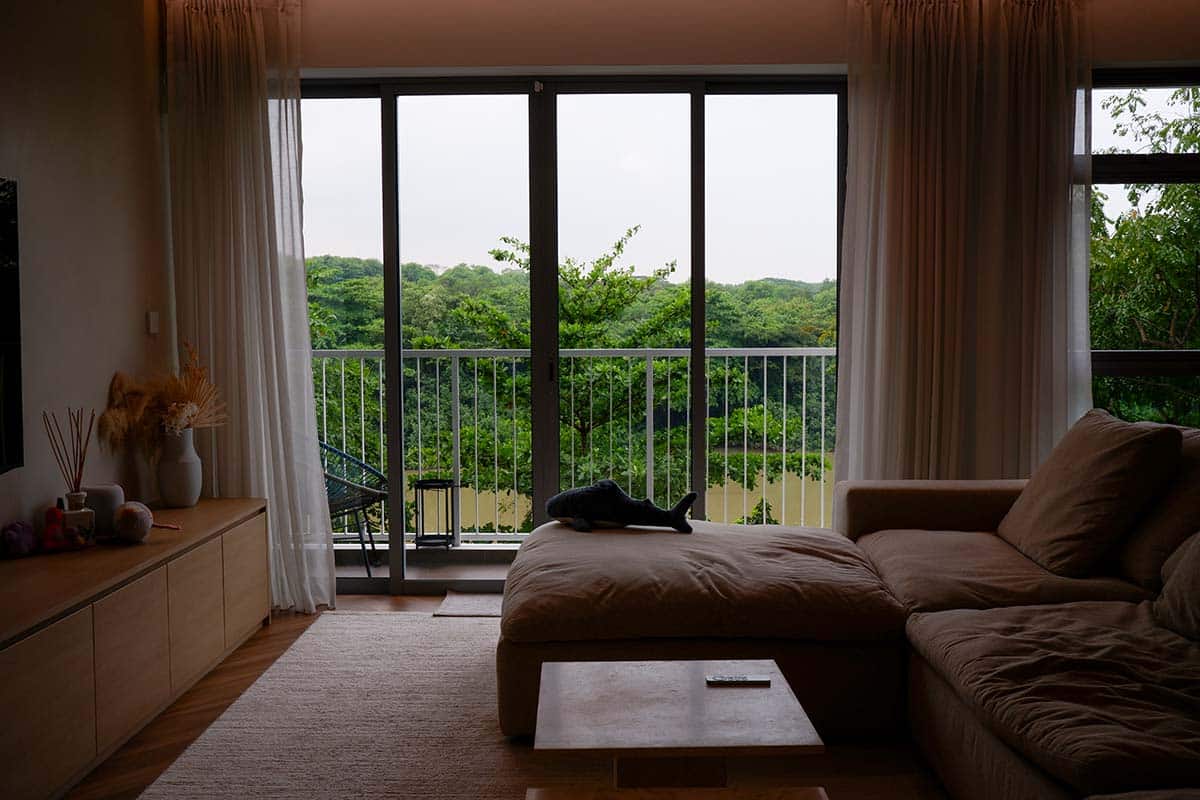
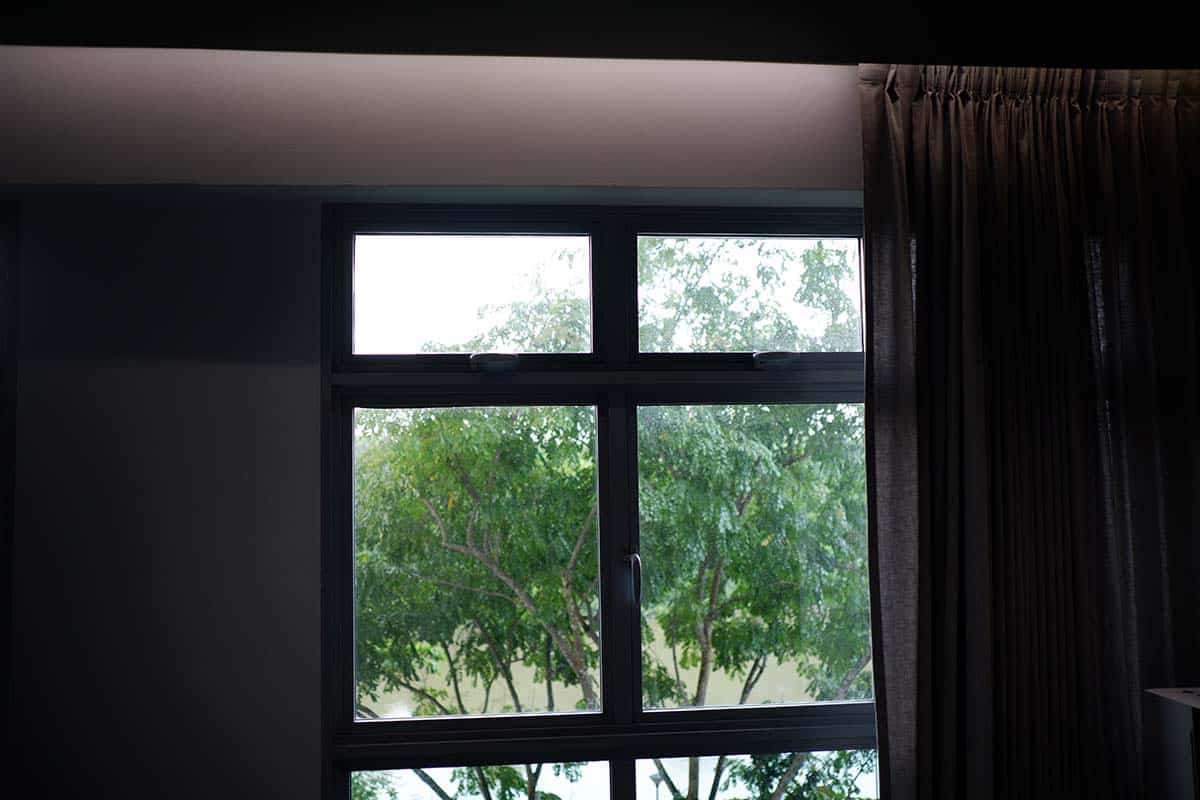
Day and Night Curtains are a dual-layer system: a sheer curtain for the day, a blackout curtain for the night, on a two-track setup.
This is the standard Singapore bedroom configuration. The sheer layer manages equatorial daylight and gives daytime privacy without darkening the room. The blackout layer draws across for sleep, blocking 99–100% of light through the weave.
Available across S-fold and pleated systems, and within all three fabric collections – Juliette, Lumiere, and Monet.
Properties
Two Layers, Two Moods
Sheer front layer for day, blackout back layer for night. One window, two completely different light and privacy modes.
Real Darkness for Sleep
The night layer blocks 99–100% of light through the weave, designed for bedrooms, baby rooms, and anyone who sleeps past sunrise.
Bright, Soft Daytime
The day layer filters harsh equatorial light while keeping the room bright. Daytime privacy is maintained without making the room dark.
Available Across Systems
The two-track setup is offered in S-fold, pleated, and any combination across them, and in all three of our fabric collections.
Day and Night Curtains in Singapore Homes
The Standard Bedroom Setup
Most Singapore HDB and condo bedrooms use a two-track curtain system: a sheer curtain on the front track and a blackout curtain on the back track. The sheer layer sits on the track closer to the window during the day; the blackout layer stays drawn back until bedtime. This is usually recessed into a false-ceiling pelmet so the tracks are hidden from view.
Why Singapore Favours Two Layers
Singapore sits almost on the equator, so sunrise stays close to 7am year-round and daylight is bright from early morning. Sheer-only bedrooms light up before most people want to wake. Blackout-only bedrooms feel cave-like during the day. A two-layer setup lets the same window serve both modes without compromise, which is why it has become the default across HDB and condo renovations.
Pelmet and Track Requirements
A two-track system needs roughly 200 millimetres of pelmet depth to house both tracks cleanly with the blackout layer behind the sheer. The pelmet also seals the top of the blackout layer, which is often the single largest source of light leakage in a bedroom. These details are measured at site survey and influence the false-ceiling design if renovation is ongoing.
Available Systems
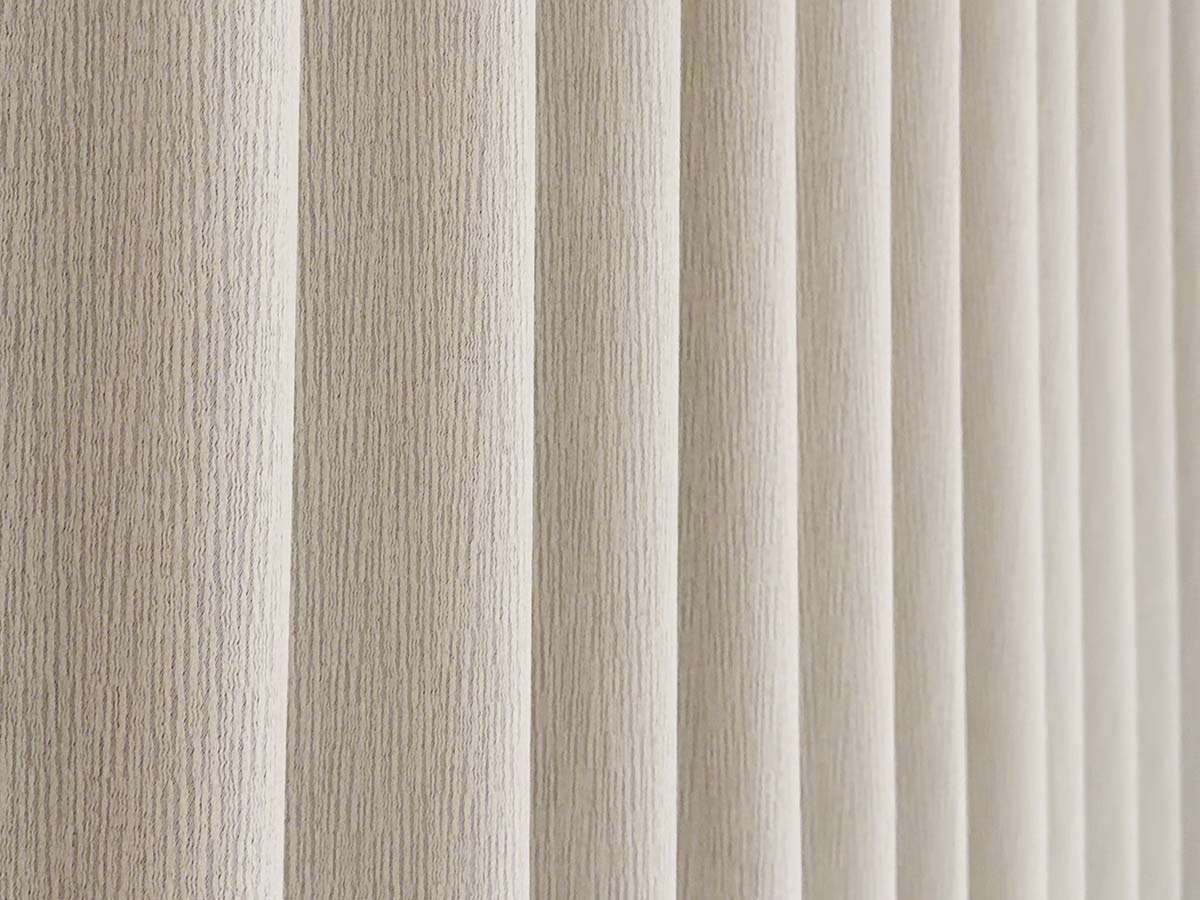
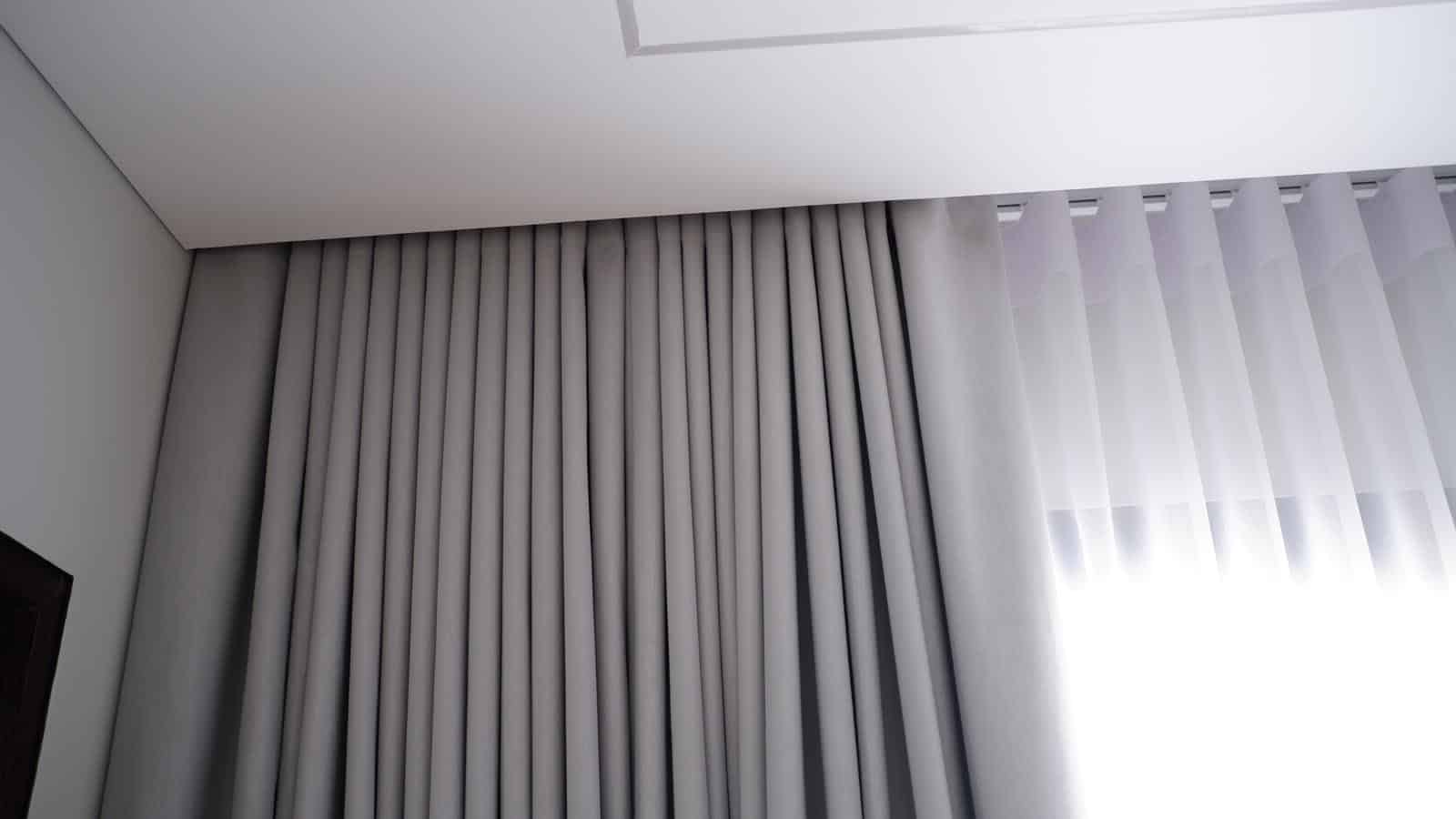
S-Fold Curtains
Continuous waves on both tracks. The most common contemporary choice for Singapore bedrooms, where the sheer and blackout layers share the same soft silhouette.
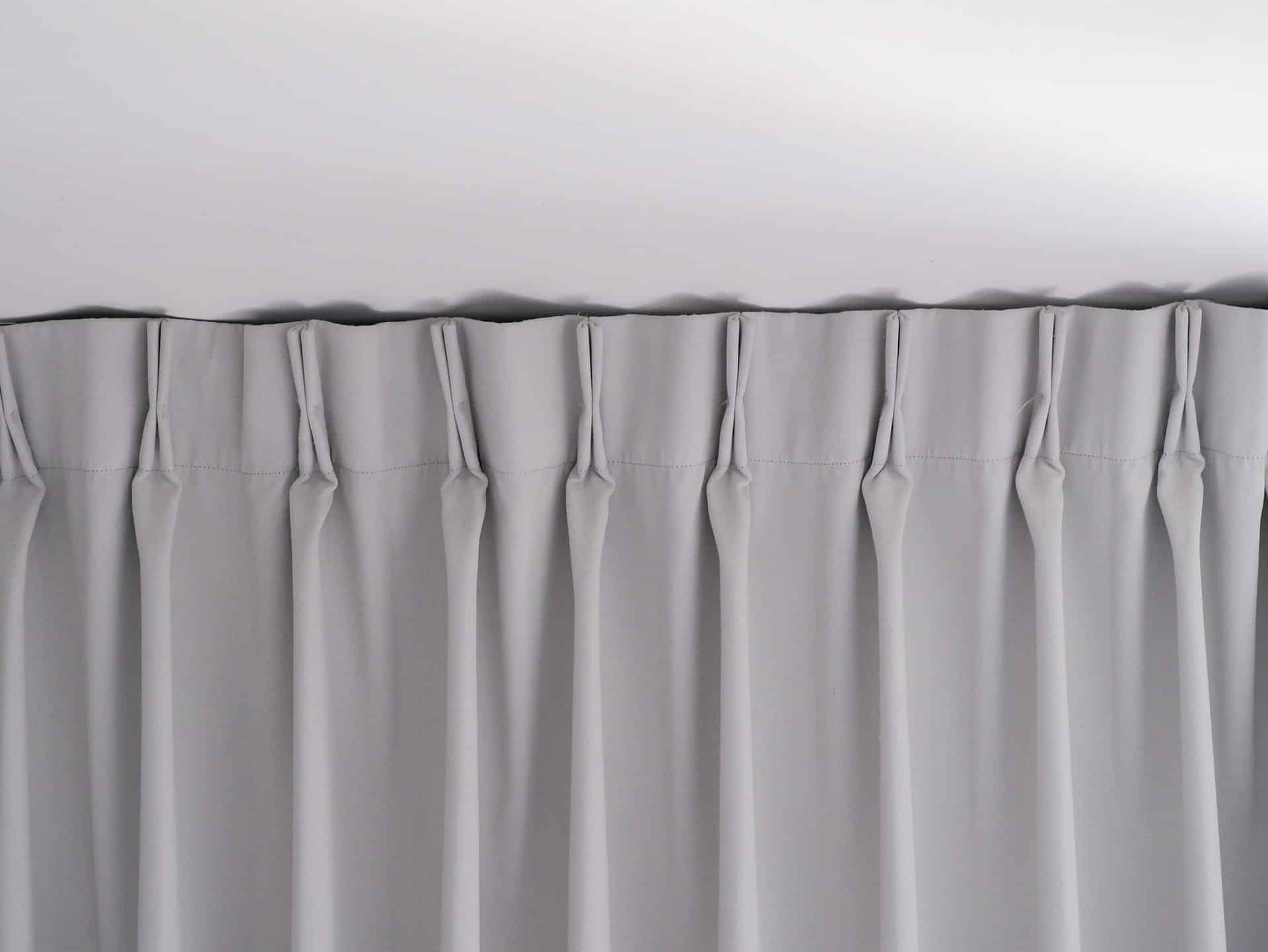
Pleated Curtains
Structured folds on both layers. The denser pleated header gives the blackout curtain a slightly tighter top seal, useful where light leakage above the curtain is a concern.
Mixed Systems
The two tracks do not have to match. A sheer S-fold day curtain paired with a pleated blackout night curtain is a common HDB and condo configuration.
Day and Night Curtains vs Day and Night Blinds
The two names sound similar but describe different products. Understanding the distinction usually determines which one fits the room.
Day and Night Curtains (Two-Track System)
Two separate curtain panels on two tracks: a sheer day curtain and a blackout night curtain. Full-height fabric drape, soft aesthetic, and real darkness when the blackout layer is drawn. The preferred choice for most Singapore master bedrooms.
Day and Night Blinds (Zebra Blinds)
A single roller blind with alternating sheer and opaque fabric bands. Rolling the blind slides the bands in or out of alignment, switching between filtered daylight and stronger privacy. Compact and clean-looking, but the opaque band is typically dimout rather than true blackout, so the room does not go fully dark.
Which One Should You Choose?
For bedrooms where real darkness matters — sleep schedules, young children, shift workers — the two-track curtain system is the better fit. For studies, kitchens, or secondary rooms where switchable daytime privacy is the goal and full darkness is not, zebra blinds are compact and tidy. Many Singapore homes use both, with curtains in the bedrooms and zebra blinds in the kitchen or study.
Choosing Day and Night Curtains for Specific Rooms
Master Bedroom
The most common application. Sheer plus blackout on a two-track pelmet, usually in S-fold or pleated. The sheer stays drawn through the day; the blackout comes across at night. This is the configuration built into the majority of HDB and condo bedroom renovations.
Baby and Children's Rooms
Daytime naps need real darkness. A day and night curtain system lets the room be bright and soft during awake hours, and fully dark for sleep. Pelmet depth and side returns on the blackout layer become especially important, since light leakage above or around the curtain is enough to wake a napping child.
Living Room (Less Common)
Living rooms usually do not need full blackout, so a sheer plus dimout two-track setup is more typical than sheer plus blackout. That said, west-facing living rooms with heavy afternoon sun sometimes benefit from a blackout back layer drawn only for a few hours around peak heat, even though full darkness is not the goal.
Studio Apartments and Small Condos
When the sleeping and living space share a single window, a two-track day and night curtain is what makes both modes comfortable in the same room. The sheer handles the day; the blackout turns the room into a bedroom at night without any other intervention.
When Should You Choose Day and Night Curtains?
Over a Single-Layer Curtain
A single layer has to compromise. A sheer-only bedroom cannot go dark for sleep; a blackout-only bedroom cannot be soft during the day. A two-track day and night setup removes the compromise at the cost of more pelmet depth and a second curtain panel.
Over Dimout-Only Setups
Dimout reduces light without fully blocking it. For living rooms and studies, dimout alone is often enough. For bedrooms where morning sun is the problem, dimout is not dark enough; a proper blackout night layer is what makes the difference between waking at 7am and waking when you choose.
Over Zebra Blinds
Zebra blinds share the “day and night” naming but trade full darkness for a compact single-unit format. If sleep, children's naps, or shift work is why you're looking at day-and-night products, the two-track curtain is the better fit. If the priority is a clean, compact look on a study or kitchen window, zebra is usually preferred.
Read more in our guide
More on layering curtains and choosing the right fabric for each layer.
Ready to visit?
- ✓Experience our fabrics – feel and see how they move in natural light.
- ✓Explore full-sized curtains and blinds in a real setting.
- ✓Try out motorized and smart systems before you decide.
- ✓Get personalised advice from our team.
- ✓Discover combinations that work for your space, lighting, and style.